Functional Seizures Explained
-
![Epilepsy Society's Article on Functional Seizures.]()
Functional seizures are often misunderstood. The Epilepsy Society’s article on non-epileptic functional seizures highlights the following key points.
-
![What are functional seizures and are they common?]()
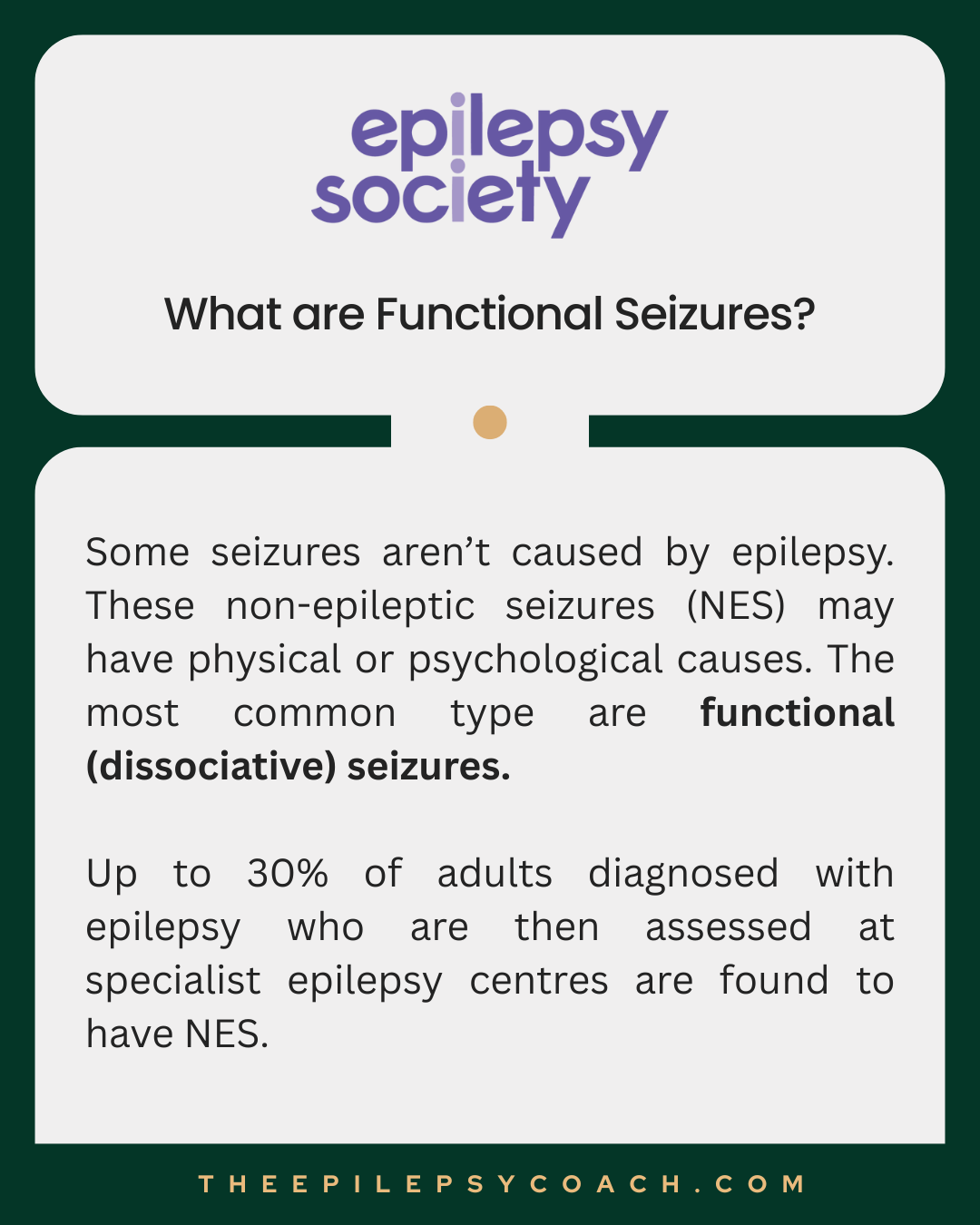
Functional seizures account for approximately 30% of cases in which anticonvulsant medication is ineffective. Misdiagnosis can lead to unnecessary medication instead of appropriate therapeutic care.
-
![What causes Functional Seizures?]()
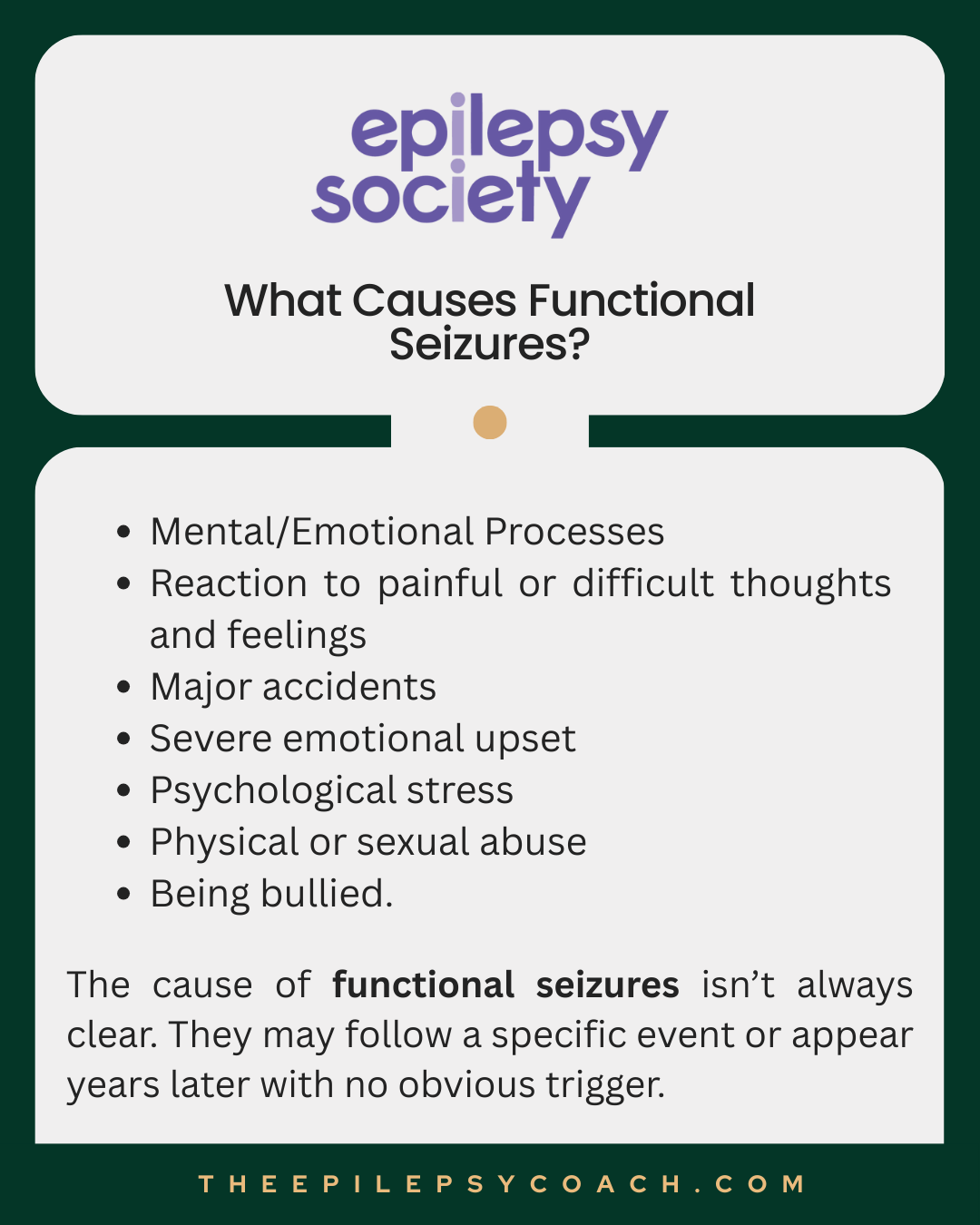
This is not an exhaustive list. However, it clearly shows that the primary known causes of functional seizures are psychological rather than physical. Identifying the exact cause can be challenging, as seizures do not always occur immediately after a triggering event. Working with a qualified professional can help uncover potential underlying factors contributing to functional seizures.
-
![How are Functional Seizures diagnosed?]()
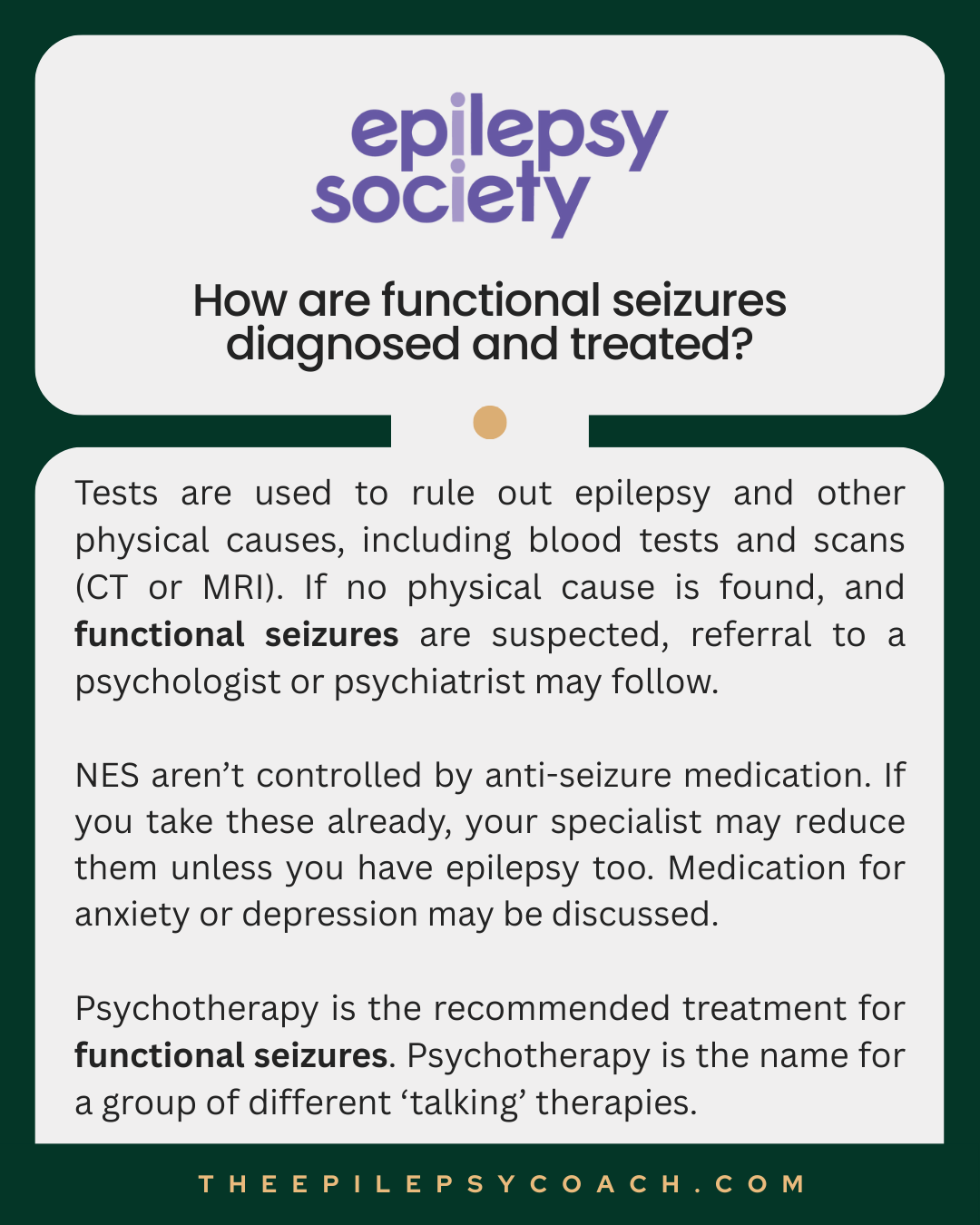
If, like me, medical testing has ruled out brain abnormalities or physical causes of epilepsy, a diagnosis of functional seizures is likely. In these cases, anticonvulsant medication is ineffective, and therapy is the most appropriate treatment.
Cognitive Behavioral Therapy (CBT) is commonly recommended by medical professionals. However, other therapeutic approaches may also be effective, including Emotional Freedom Technique (EFT), EMDR, and Systemic Family Therapy.
The key is to explore different options to find what works best for you. For me, Emotional Freedom Technique was the most impactful.